Green skills: the opportunity Burundi cannot afford to miss
Article
📅 15 Jun 2026
👁 27 vues
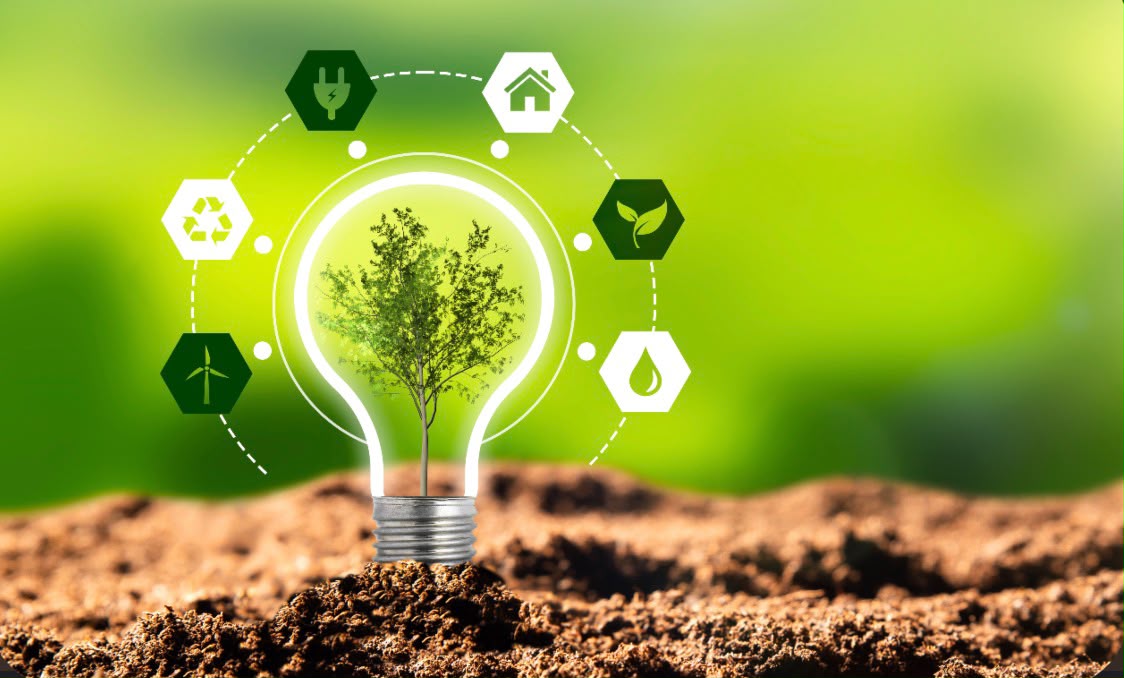
As the world moves toward a greener and more sustainable future, green skills are becoming more important than ever. These are the knowledge, abilities, values, and attitudes that help individuals contribute to environmental protection and sustainable development in their daily work and lives. Simply put, green skills allow us to perform our jobs and make decisions in ways that support the well-being of both people and the planet.
For example:
• Sustainable farming and climate-smart agriculture
• Solar panel installation and maintenance
• Waste management and recycling
• Water and watershed management
• Reforestation and land restoration
• Energy efficiency in construction and buildings
• Environmental project management
• Use of clean cooking technologies
• Sustainable forestry practices
• Carbon footprint measurement and reporting
Key global finding: The report (the LinkedIn Global Green Skills Report 2023)
found that globally only 1 in 8 workers has green skills, meaning 7 in 8 workers are yet to develop them.
What this means for Burundi
In Burundi, the challenge runs deeper. 80–90% of our population relies on agriculture, mostly subsistence farming, in an environment particularly vulnerable to the effects of climate change. A clear understanding of climate-smart farming, irrigation, soil management, and sustainable land use is not just an economic tool. It is a survival tool.
Youth unemployment in Burundi is estimated at 65%. The report's finding that green job postings are growing nearly twice as fast as green talent supply is a direct opportunity: green sectors can absorb large numbers of young Burundians, if training is prioritised. In summary: 65% youth unemployment in Burundi; green jobs growing 2× faster than green talent supply; 90% of the population reliant on agriculture.
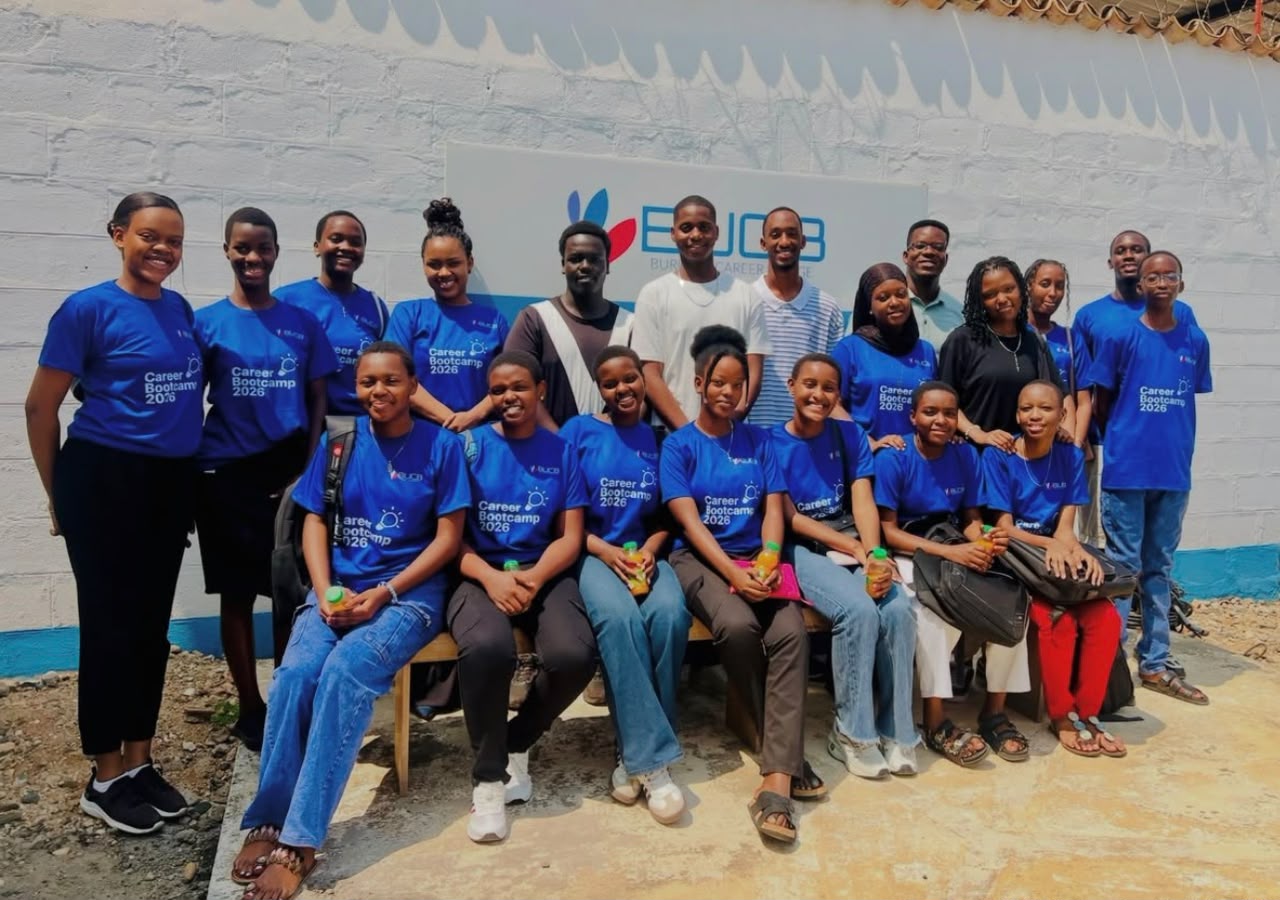
Now here is where Burundi Career Bridge intervenes
Imagine a young person finishing secondary school in Cankuzo or Makamba, talented and motivated, but with no clear map of where the world of work is heading, no guidance on what skills are in demand, and no bridge between the classroom and a sustainable livelihood. Now imagine that same young person walking into a career center that tells them: "The world needs solar technicians, climate-smart farmers, watershed managers, and green entrepreneurs, here is how you become one." That is transformative.
The good news is that Burundi is already moving in the right direction: hydropower projects (PHJIMU), solar energy expansion (Soleil-Nyakiriza), land restoration initiatives (BLRRP), and climate-smart agriculture programmes (PRCCB), are all underway. What is missing is the human infrastructure: the career knowledge, skills roadmaps, and professional guidance that connect Burundi's young people to these emerging opportunities.
We Burundians do not lack potential; we lack access to the right information at the right time. The Global Green Skills Report 2023 shows that the world is actively creating jobs in green energy, sustainable agriculture, and climate resilience: sectors that sit at the very heart of Burundi's economy and development needs. Yet without structured guidance, most of Burundians and others will never know these opportunities exist, let alone how to pursue them.
This is the gap that Burundi Career Bridge exists to fill. By bringing relevant, actionable labour market information directly to students, job seekers, and aspiring entrepreneurs, a career center transforms information into direction and direction into opportunity. It will not just prepare individuals for the job market; it will prepare them to shape it.
Conclusion
In a country at the crossroads of economic transformation and climate urgency, informed youth are Burundi's greatest asset. Burundi Career Bridge is the investment that unlocks that asset.